Published July 31, 2025 · 8 min read · By Pavel Rataj & Honza Vojtko
Does couples therapy actually work? Two therapists answer honestly
We should be the last people to answer this impartially - couples therapy is our life's work. So let us compensate with unusual honesty: yes, it works, considerably more often than the cultural jokes suggest. And it fails in predictable ways that almost nobody warns couples about. Both halves of that sentence deserve your attention.
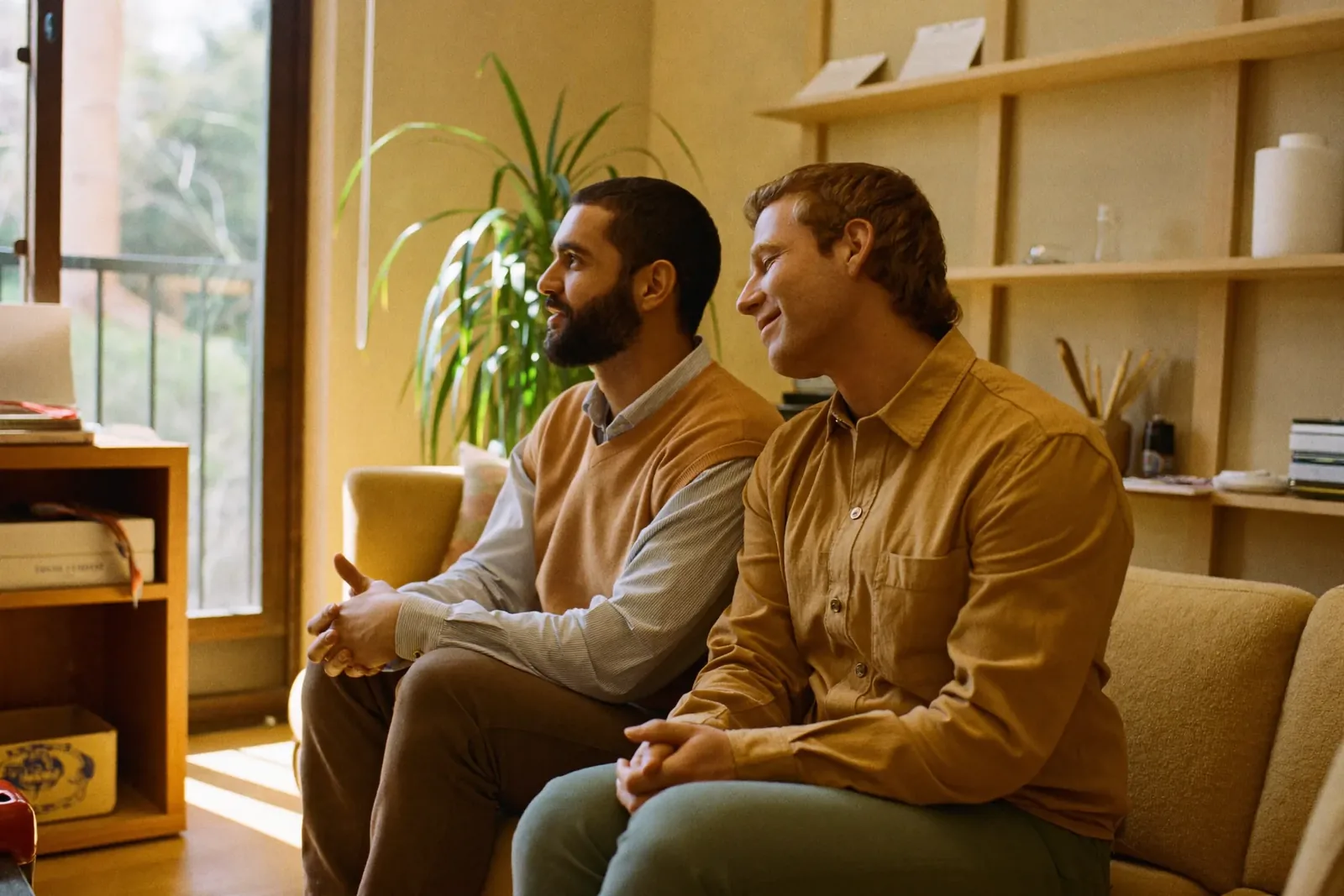
First, what the research says, briefly and without decoration: modern couples therapy - especially the approaches built on understanding the emotional dynamic between partners rather than teaching debate rules - helps roughly two-thirds to three-quarters of couples who genuinely engage with it, and the gains largely hold years later. That is a better success rate than most people expect, and better than many medical treatments people accept without hesitation. The interesting question is what separates the couples it helps from the couples it doesn't. After two decades on the therapist's side of the room, we can tell you it is rarely how bad things are at the start.
What actually happens in the room
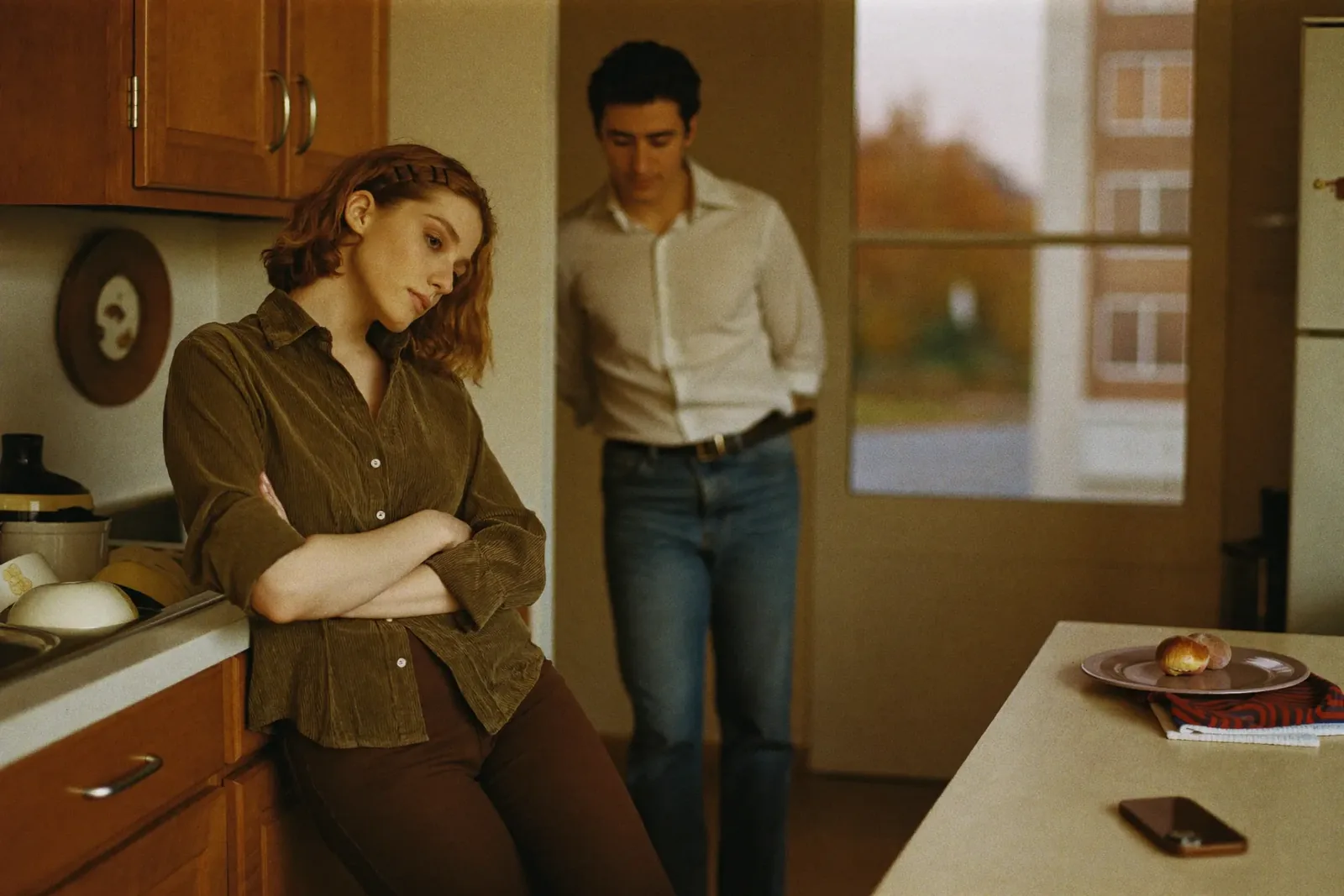
Not what most people fear. Couples arrive braced for a referee - someone who will hear both cases and rule on who is right. Good couples therapy does almost the opposite: it slows the couple down enough that both partners can finally see the pattern they are caught in, the one that runs faster than either of them can think at home. The fight you have in seven seconds at the kitchen counter gets stretched across twenty minutes, and somewhere in that slowness, partners start seeing what was invisible: what he actually feels the instant before he goes cold. What she is actually afraid of the moment before she sharpens. The therapist is not judging the players. The therapist is making the game visible.
Couples don't come to therapy to be judged. They come to see the game they are caught in.
When it doesn't work
Honesty requires this section. Couples therapy tends to fail in three recognizable situations. When it starts too late - not too late in years, but too late in investment, when one partner has already left inside and attends only to be able to say they tried. When one or both partners come to win - to have the therapist certify their case - and cannot be moved from that project. And when an active affair or an unspoken exit plan is running in the background; therapy cannot work on a relationship one person is secretly not in. Notice what is absent from this list: severity. We have watched couples in spectacular crisis do profound work, and mildly discontented couples go nowhere. The decisive variable is what each person comes to do.
How to go, if you go
Three things multiply your odds. Go earlier than feels necessary - the average couple waits years too long, and arrives with the pattern deeply grooved. Choose someone actually trained in couples work; it is a distinct craft, not individual therapy with two chairs, and it is fair to ask a therapist about their training. And go to understand rather than to prevail: the couples who benefit most walk in with some version of one question - what are we caught in, and what is my share of it? That question, sincerely held by even one partner, changes what happens in the room.
And if therapy is out of reach right now - geography, cost, a partner who refuses - understanding itself is still available. It is why we built our course, and why we keep writing these articles: the mechanism that makes therapy work, seeing the dynamic instead of a guilty partner, is not locked inside the therapy room. The room is where it happens most reliably. It is not the only place it can begin.
Questions people ask
- What is the success rate of couples therapy?
- For evidence-based approaches - notably those focused on the couple's emotional dynamic - research consistently shows meaningful improvement for roughly 70% of couples, with a substantial share recovering fully and most gains holding at follow-up years later. Engagement matters enormously: the numbers describe couples who genuinely participate, not couples where one partner attends under protest.
- Can couples therapy make things worse?
- Occasionally, and it is worth knowing how: a poorly run process can become a weekly structured fight, and therapy sometimes surfaces truths that end a relationship that was ending anyway - which feels like therapy failing but is usually clarity arriving. With a well-trained couples therapist, the more common risk is not damage; it is stalling, when the couple uses sessions to manage the status quo instead of examining it.
- My partner refuses to go to couples therapy. Now what?
- Refusal is common and rarely final - it usually protects against an imagined courtroom where they will be the accused. It often shifts when the invitation changes from 'we need to fix you' to 'I want to understand what we're caught in, and I'll be working on my share.' And regardless: one partner learning to read the dynamic - through individual therapy, reading, or a course - changes the system both of you live in.
Keep reading

Signs your marriage is in crisis - and what they actually mean
Most lists of warning signs get one thing wrong: they focus on the loud signals and miss the quiet ones. After twenty…
Why you keep having the same fight - and why winning it never helps
Every couple has one. The fight that has been rehearsed so many times you could play each other's parts. The topic…