Published May 31, 2025 · 7 min read · By Pavel Rataj & Honza Vojtko
Living with an emotionally distant partner: what the distance is made of
You live with someone who is present at dinner and absent from the marriage. They function, provide, even care - and somewhere behind the eyes, the door is closed. Before you accept the popular verdicts about people like your partner, let us tell you what we usually find when that door finally opens in the therapy room.
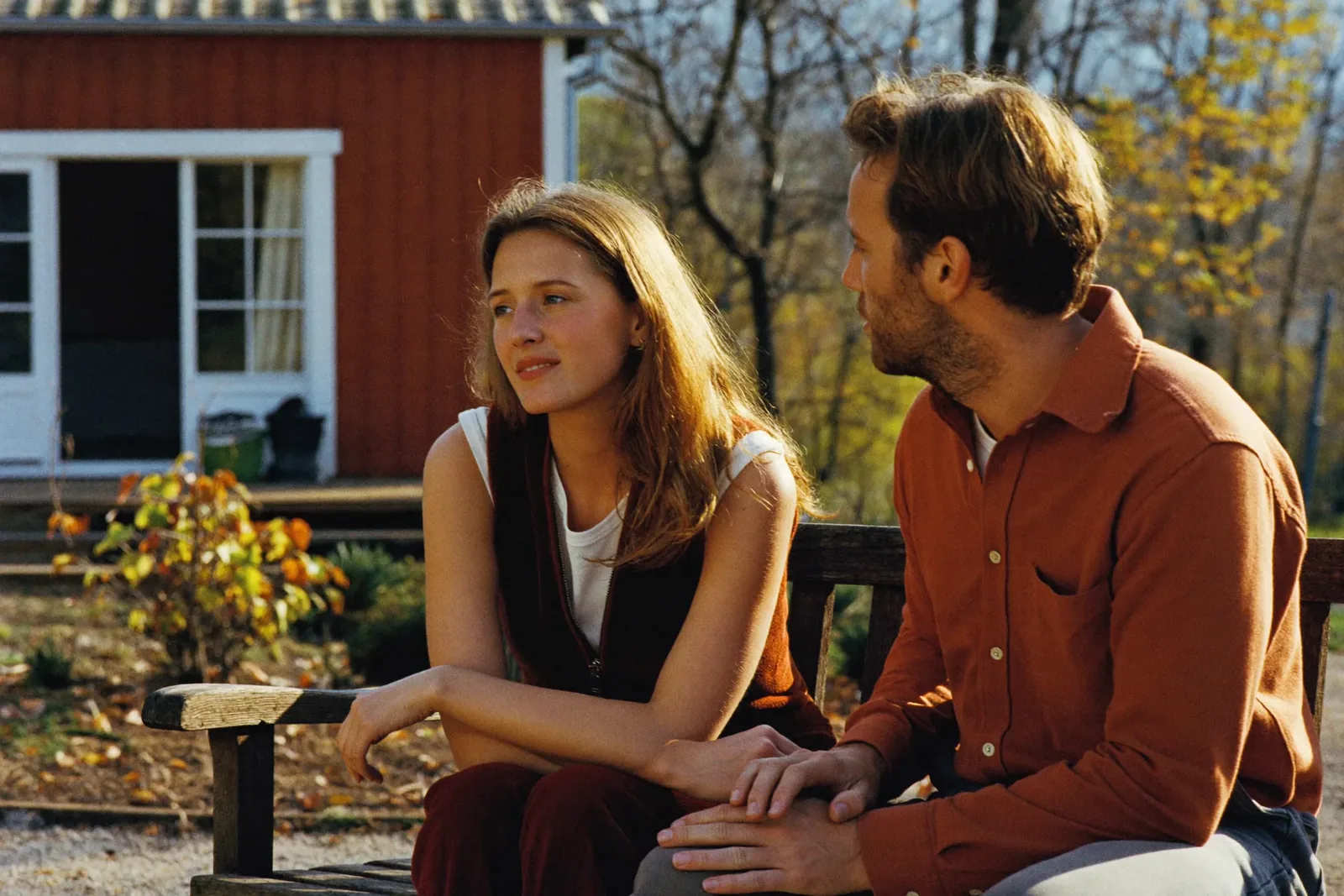
First, your experience, named precisely: loving an emotionally distant partner is a strange, deniable form of loneliness. Nothing is visibly wrong - there are no fights, often no unkindness, nothing you could point to in court. And yet every attempt to reach deeper - a real question, a shared worry, a moment of your own vulnerability - lands on politely closed water. Over time you start to doubt your own need: maybe I want too much, maybe this is just marriage. Let us be clear from the other side of the therapy room: wanting emotional contact with your spouse is not too much. It is the point.
What is usually behind the distance
The popular story says distant people don't feel much. Twenty years of sitting with them says nearly the opposite: most distant partners feel plenty and learned, usually very early, that showing it is unsafe or useless. Somewhere - a childhood home where emotions were punished or ignored, an earlier relationship where openness was used as ammunition, sometimes this very marriage in its louder years - they concluded that the inner world is best kept indoors. What you experience as absence is, from inside, management: a constant quiet effort to keep feeling from reaching the surface, because the surface has never been a safe place for it. This does not make the distance painless for you. It does change what you are dealing with: not an empty room, but a guarded one.
How the reaching makes it worse
Here is the loop that traps these marriages. The lonelier you get, the harder you knock - more questions, more emotional intensity, sometimes tears or anger, anything to provoke a live response. But for a person whose core rule is 'feelings on the surface are dangerous,' your intensity is not an invitation; it is exactly the weather they built the walls against. So they recede further, you knock harder, and both of you become more extreme versions of yourselves: you flooded with unmet need, them sealed behind reinforced calm. Neither of you chose this dance, and - this is the part worth rereading - neither of you is its villain. You are two protection systems triggering each other.
What actually reaches a guarded person
Not pressure, and not clever questions - guarded people have a lifetime of practice deflecting both. What works, slowly, is safety plus patience in doses they can survive. Share your own inner world in small amounts without demanding reciprocity - you are demonstrating that feelings can surface here without catastrophe. Receive whatever does come out - however small, however clumsy - without pouncing on it, correcting it, or turning it into the long-awaited big conversation; a guarded person who risks one sentence and gets ambushed by twenty will not risk another for a year. And notice contact in their language: some people say 'I love you' by fixing your bike chain or remembering how you take your coffee. Meeting that halfway does not replace emotional intimacy, but it keeps the bridge open while the deeper work happens.
And keep one honest boundary in view: understanding the distance does not oblige you to live starved forever. The guarded partner has their reasons; you have your needs; a marriage has to hold both. Saying 'I understand this is hard for you, and I cannot live long-term without emotional contact' - calmly, not as an ultimatum but as a truth - is often the sentence that finally makes the cost of the walls visible from inside them. In our experience, it moves more guarded partners than years of knocking ever did.
Questions people ask
- Can an emotionally unavailable partner change?
- Yes - guardedness is learned protection, not hardware, and protection can be unlearned where it stops being needed. But the change is slow, happens in small doses, and cannot be forced from outside; pressure confirms the very danger the walls exist for. What helps most is a sustained experience of safety plus an honest view of what the distance costs the marriage. Therapy, individual or couples, speeds this considerably.
- Why does my partner shut me out when I try to get close?
- Most likely because closeness itself - not you - triggers their alarm system. People who learned early that emotions on the surface lead to being hurt, mocked or engulfed respond to intimacy the way others respond to threat. The withdrawal usually intensifies precisely when you reach hardest, which is why the marriages of pursuers and guarders escalate so predictably. Lowering the intensity of the reaching, paradoxically, tends to bring more contact than raising it.
- Am I wrong to want more emotional intimacy than my partner gives?
- No - and the self-doubt you feel is itself a symptom of living long with unmet needs. Partners can differ in emotional appetite, and some gap is normal in every marriage. But a chronic, one-sided starvation is not a preference difference; it is a relationship problem that belongs to both of you. Naming your need clearly and without accusation is not being demanding. It is giving the marriage accurate information.
Keep reading

Signs your marriage is in crisis - and what they actually mean
Most lists of warning signs get one thing wrong: they focus on the loud signals and miss the quiet ones. After twenty…
Why you keep having the same fight - and why winning it never helps
Every couple has one. The fight that has been rehearsed so many times you could play each other's parts. The topic…